
Family & Caregiver Support
Supporting Those Who Support Others
A stroke can change the daily lives of family members and caregivers as well as survivors.
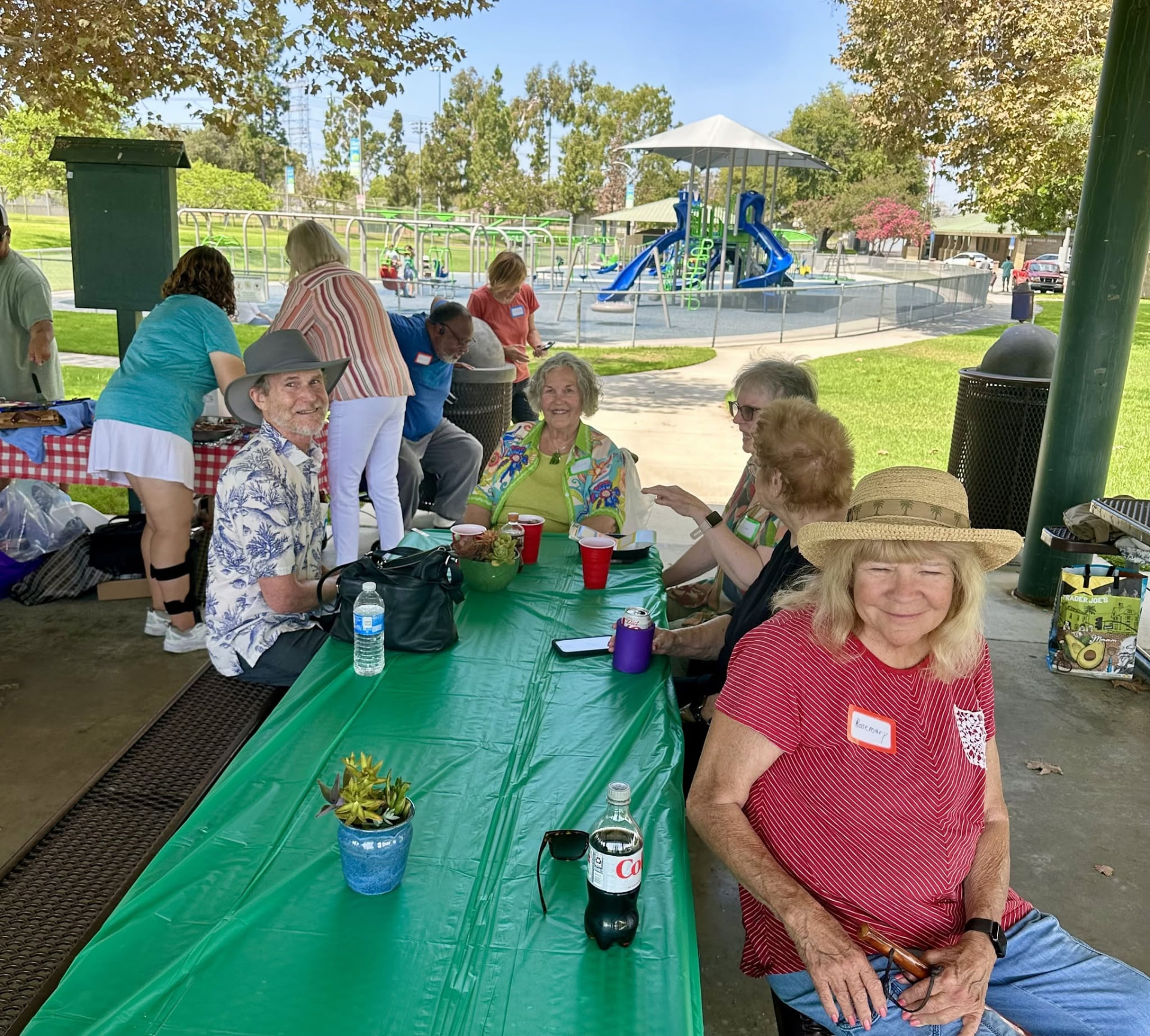
Caregiving may involve helping with communication, appointments, mobility, everyday routines, emotional reassurance, and coordination with healthcare professionals.
The responsibilities involved can be rewarding but also physically and emotionally demanding.
Understanding the caregiving role
Caregiving responsibilities vary according to the survivor's needs and circumstances. Some caregivers help with a few tasks each week; others provide daily personal care. Roles may change over time as needs evolve, and it is helpful to revisit arrangements regularly.
Communication and patience
Respectful communication means speaking to the person directly, listening fully, and allowing adequate time for responses. Reduce background noise, use short sentences when helpful, and check understanding without finishing sentences unless invited to.
Caregiver wellbeing
Rest, personal time and your own health matter. Caregivers who look after themselves are better able to sustain their support. Asking for help — from family, friends or professionals — is a sign of good judgement, not failure.
Managing changes in daily life
Routines, planning and accessibility adjustments can make home life easier. Changes such as grab rails, rearranged furniture or adapted equipment should be considered with appropriate professional guidance, for example from an occupational therapist.
Seeking professional assistance
For clinical, rehabilitation or mental health concerns — whether the survivor's or your own — please consult qualified professionals such as your GP. In an emergency, call 112.
Maintaining relationships
Caregiving can shift the balance of a relationship. Protecting dignity, recognising the survivor's preferences and independence, and making time for shared activities unrelated to care help preserve mutual respect.